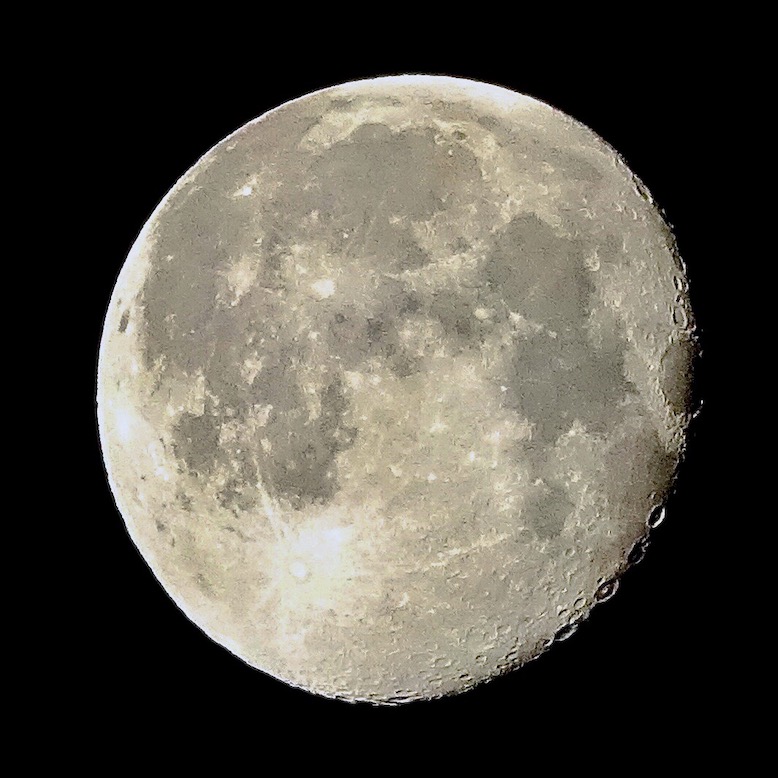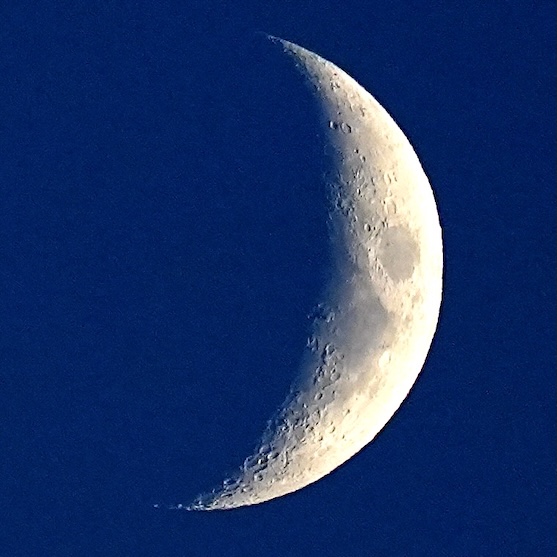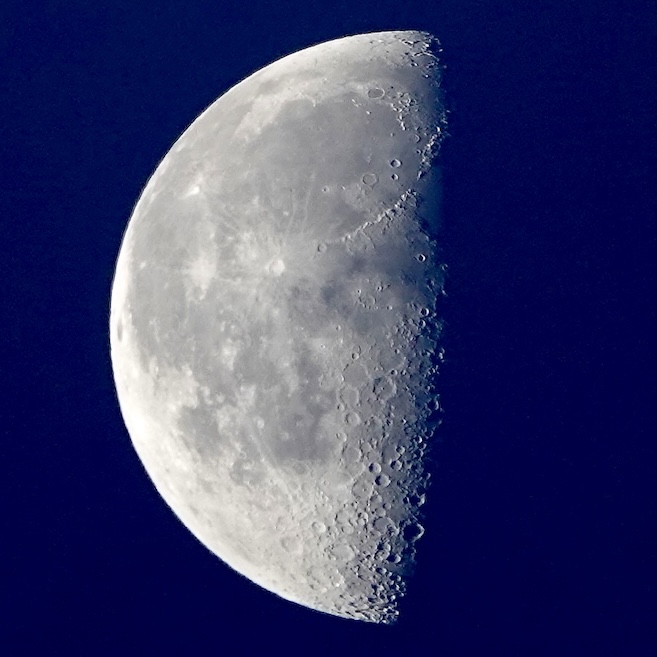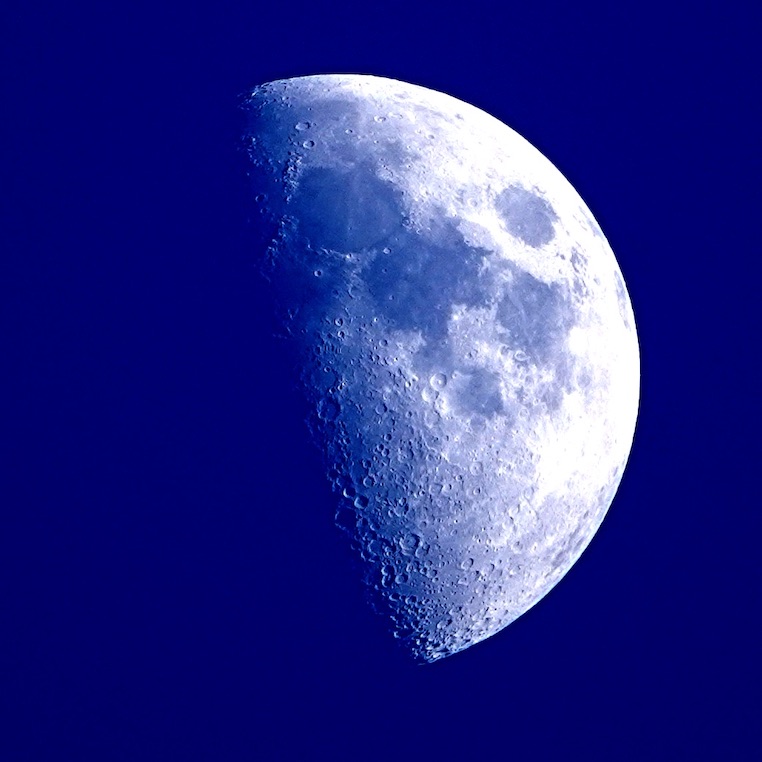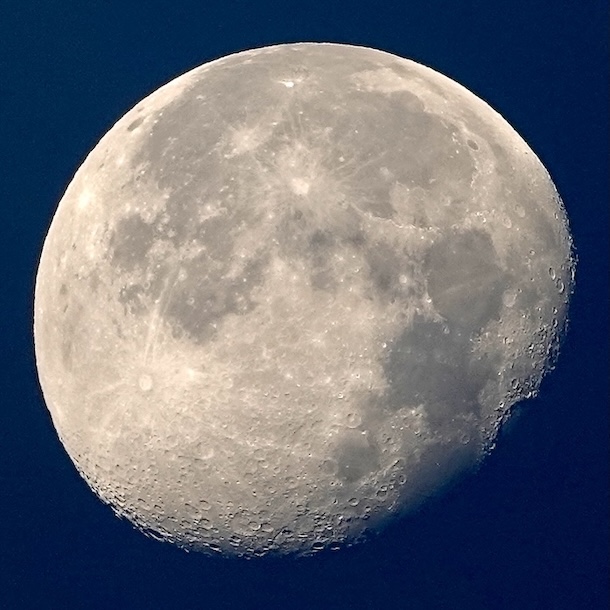



I've always been fascinated by the wonders of the universe.
Inevitably I take pictures of the moon and I was delighted to get shots of Jupiter and
some of its moons as well as a phase of Venus.
For all of these I have used a Sony RX10 Bridge camera.
So, a very simple set-up, hand-held, no lens attachments, just point-and-click at full optical
zoom using a variety of settings.
I've tried using a tripod but I find it too awkward to use, especially when the subject is very
high in the sky. Of course, I have re-framed the images and done some minor editing but
considering the fairly unsophisticated way in which I've taken these pictures I think the results
are pretty good.
If I wanted to improve I would have to invest in a lot of fancy equipment
and there seems little point. To be wowed by photos of the universe I just
turn to those produced by the Hubble and James Webb (JWST) telescopes.
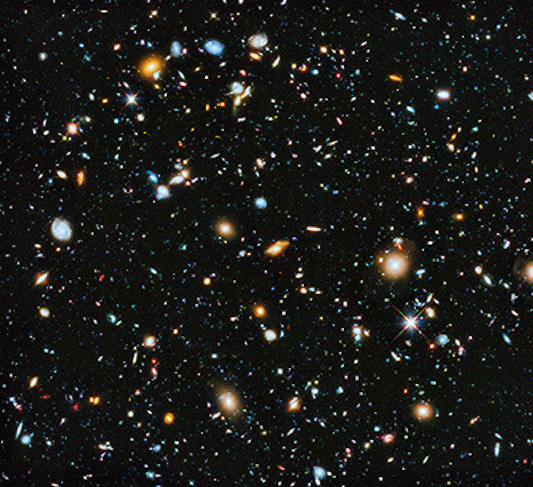
There are umpteen wonderful photos that we can view in books, on the TV, the Internet, Social Media etc.
but my personal choice of the most awesome is the one to the left: the Hubble Ultra Deep Field (HUDF).
It was generated quite a few years ago and yes, there have been many since that are better but this was an early
one that whetted our appetites for what was to come (e.g. JWST).
The picture to the left is a low resolution version (to reduce download time). Nevertheless, what it shows is barely believable.
I do not choose it because of its inherent beauty but because of its profound significance and
all the scientific know-how that went into its production.
The image is a composite made from pictures taken during more than 800 orbits of the Earth by the Hubble telescope
and it contains about 10,000 galaxies, extending back in time to within a few hundred million years of the Big Bang.
It focusses on a very small section of space in the southern hemisphere in the constellation of Fornax.
We should feel very humble.